

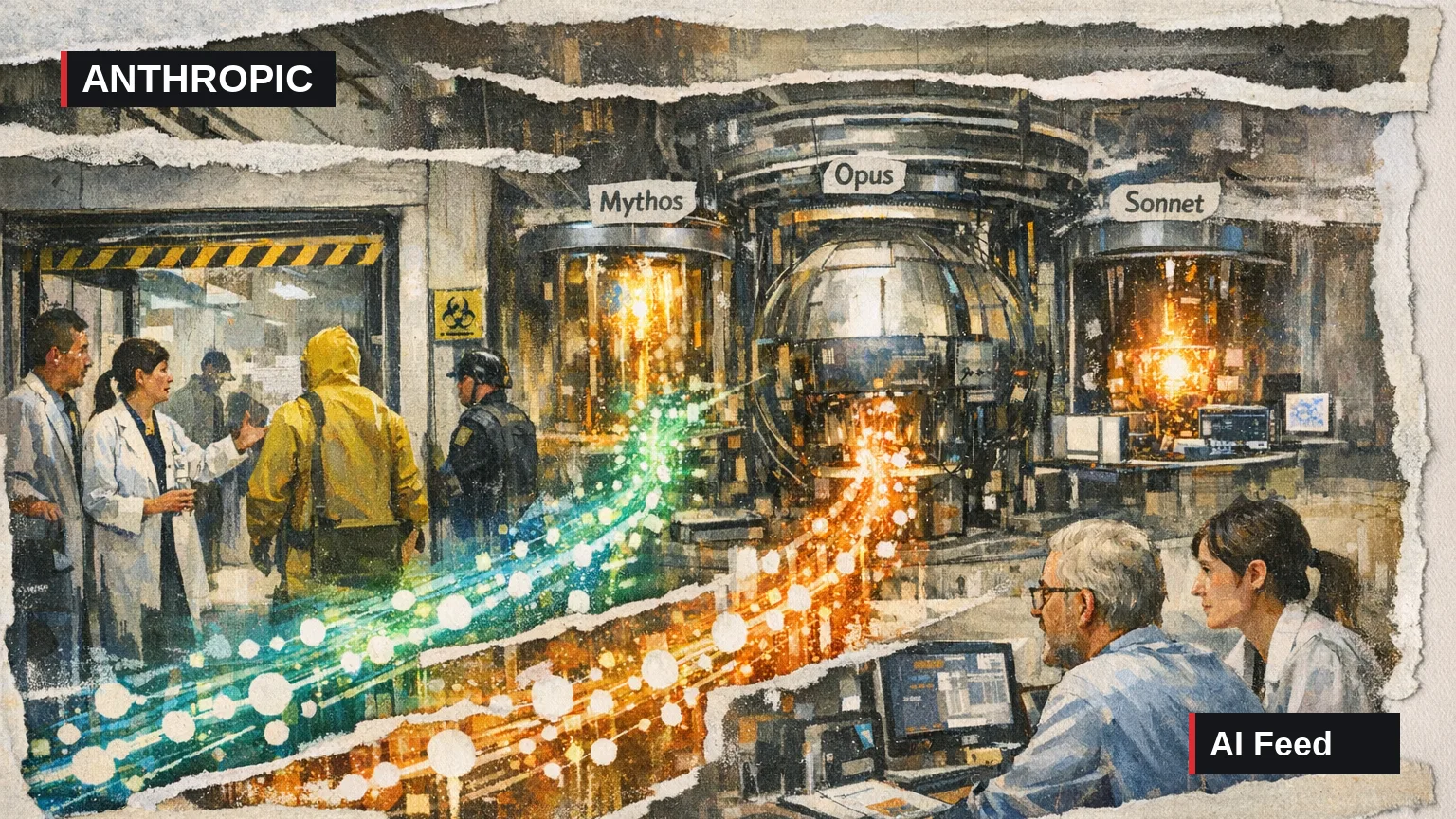
Anthropic launched the Life Sciences Verification Program, or LSVP, in beta on September 17, 2026. Approved teams and institutions can access Mythos 5.1, Claude Opus 5 and Claude Sonnet 5 under safeguards designed to be more permissive for biology-related work. Anthropic says it onboarded dozens of organizations during early access and is now accepting applications from the broader life-sciences community, including laboratories, startups and pharmaceutical companies.
The company positions LSVP for work that may be blocked by its generally available Fable models, including drug discovery, research biology, clinical development and manufacturing. Applicants undergo checks covering research credentials, security standards and ethical research oversight. Approved grants can be used through Claude Science, Claude.ai, Claude Code and the API, although grant-switching and other capabilities vary by product.
LSVP has two permission levels. Standard Use is intended for most routine life-sciences research and can cover an entire team, with annual renewal. High-risk Use is an additional grant for one specific project outside the Standard Use scope; it requires further vetting and renewal every six months. It removes safeguards that block life-sciences requests, while other protections, including cyber classifiers, remain active.
Standard Use currently covers Mythos 5.1, Opus 5 and Sonnet 5 and is intended to extend to future models as they launch. High-risk grants are available for Opus 5 and Sonnet 5. At launch, equivalent Mythos access remains limited to a small set of additionally vetted entities while Anthropic works with the US government on broader availability.
Rather than blocking every potentially harmful request in real time, LSVP uses offline monitoring to identify activity or patterns outside the use cases specified in an organization’s application. Anthropic may flag unauthorized activity to customer administrators for investigation and remediation. Data associated with LSVP traffic must be retained for 30 days; the company says it is compartmentalized, cannot be used for model training and is inaccessible to Anthropic’s life-sciences research teams.
At launch, LSVP is available through Anthropic’s first-party API console and the Claude Enterprise and Team plans. Individual Pro and Max plans and third-party platforms are not yet supported. The beta is also unavailable to organizations with an enabled Business Associate Agreement. Anthropic says customers handling protected health information should instead use separate non-BAA organizations outside HIPAA mode.
Practical context: In practice, LSVP shifts control from universal request-by-request filtering toward organizational verification, access tied to declared projects and monitoring across patterns of activity. This may reduce interruptions to legitimate biological research, but it also requires participating organizations to define intended uses, control access and handle flagged incidents. These safeguards and expected benefits are Anthropic’s claims; its announcement does not provide an independent evaluation of the program’s effectiveness.
| Parameter | Standard Use | High-risk Use |
|---|---|---|
| Scope | Team-wide access for routine workflows | One specific research project |
| Renewal | Annually | Every six months |
| Restrictions | More permissive classifiers for scientific tasks | Removes safeguards that block life-sciences requests |
| Models at launch | Mythos 5.1, Opus 5 and Sonnet 5 | Opus 5 and Sonnet 5; Mythos limited to selected organizations |
Sources
Event date: 2026-09-17. Primary source date: 2026-09-17.