
Methodology update — version 2. The atlas now uses qualitative task profiles and editorial connections between occupations. Earlier replacement percentages and timelines have been removed because they lacked a reproducible calculation. ILO and Anthropic studies provide context; they do not substantiate individual scores for every occupation. Connections describe a shared workflow or a hand-off, not measured worker transitions. Source-page changes trigger review, not automatic changes to conclusions.
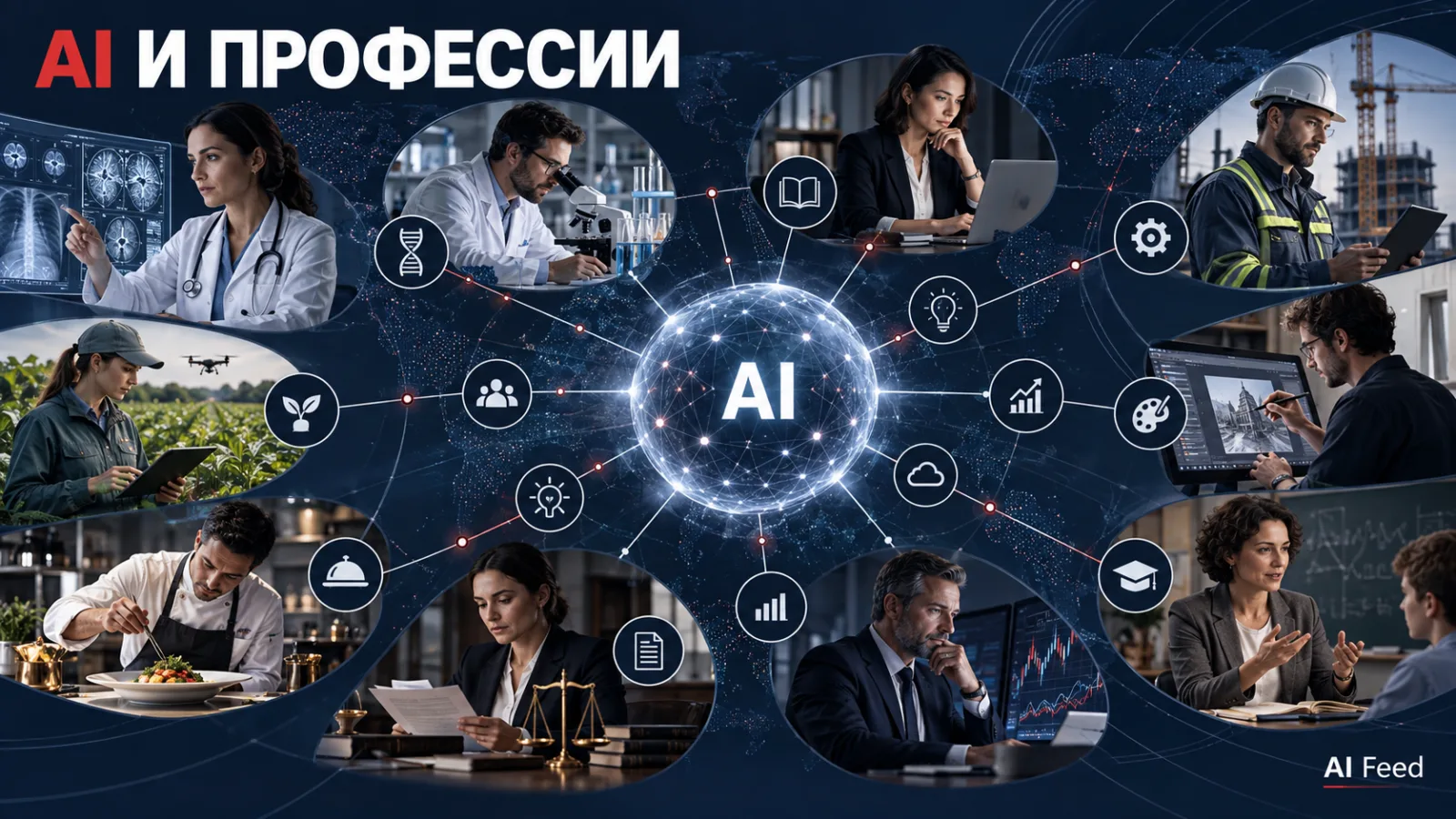
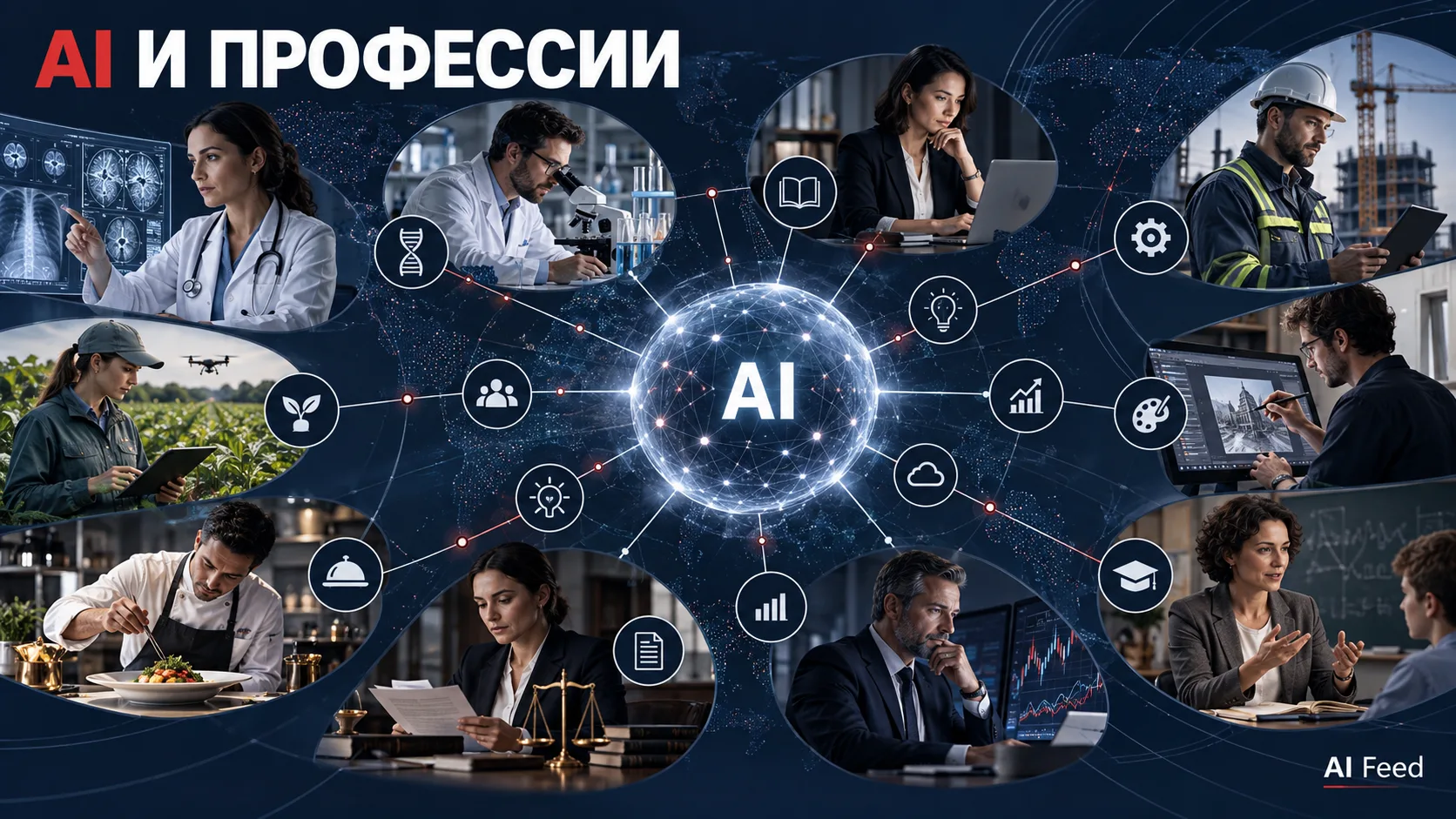
AI changes work tasks, and occupations change with them. The AI Feed atlas shows where tools can assist, which decisions remain with people, and how one role’s outputs are used by another.
Open the interactive AI and Jobs map →
Why the map starts with tasks
The ILO–NASK 2025 global index estimates that roughly one in four jobs has some exposure to generative AI, while transformation is more likely than full replacement. Clerical and highly digitized roles remain the most exposed.
Anthropic’s observed-exposure method combines O*NET tasks, theoretical AI capability and observed professional use. Automated use receives more weight than human–AI collaboration, separating technical capability from deployment in real work.
How to read the new atlas
- Overview opens six fields; choosing a field reveals its occupations.
- Connections shows shared workflows and hand-offs, explained in the profile.
- Tasks separates potential AI assistance, human decisions and skills to build.
- Compare places two roles side by side using the same questions.
Why occupations intersect
Automation rarely stays inside one job title. A developer’s code moves through QA, infrastructure and security. A financial model connects analysts, auditors, bookkeepers and underwriters. Clinical data connects physicians, nurses and radiologists. The map’s dotted threads represent those shared workflows.
DevOps, for example, intersects with software development through delivery, cybersecurity through access control and incident response, and project management through priorities and change risk. Automating configuration and diagnostics does not remove human accountability for reliability.
What the first version shows
- Structured digital work changes quickly. Translation, data entry, standard support replies and bookkeeping contain many repeatable tasks.
- Physical work constrains replacement. AI can automate records and planning while leaving hands-on activity untouched.
- Accountability remains a barrier. Diagnosis, audit, security and legal positions require authority and risk ownership.
- Connected roles change together. An agent introduced in one stage changes the inputs and expectations of adjacent work.
How the map is updated
AI Feed checks primary sources every day and displays the latest scan time. When a source changes, the monitor records what changed and why it matters. Source changes require editorial review: a new source check does not mean a new study exists.
Sources: ILO–NASK Global Index, Anthropic: Labor market impacts of AI, Anthropic Economic Index.