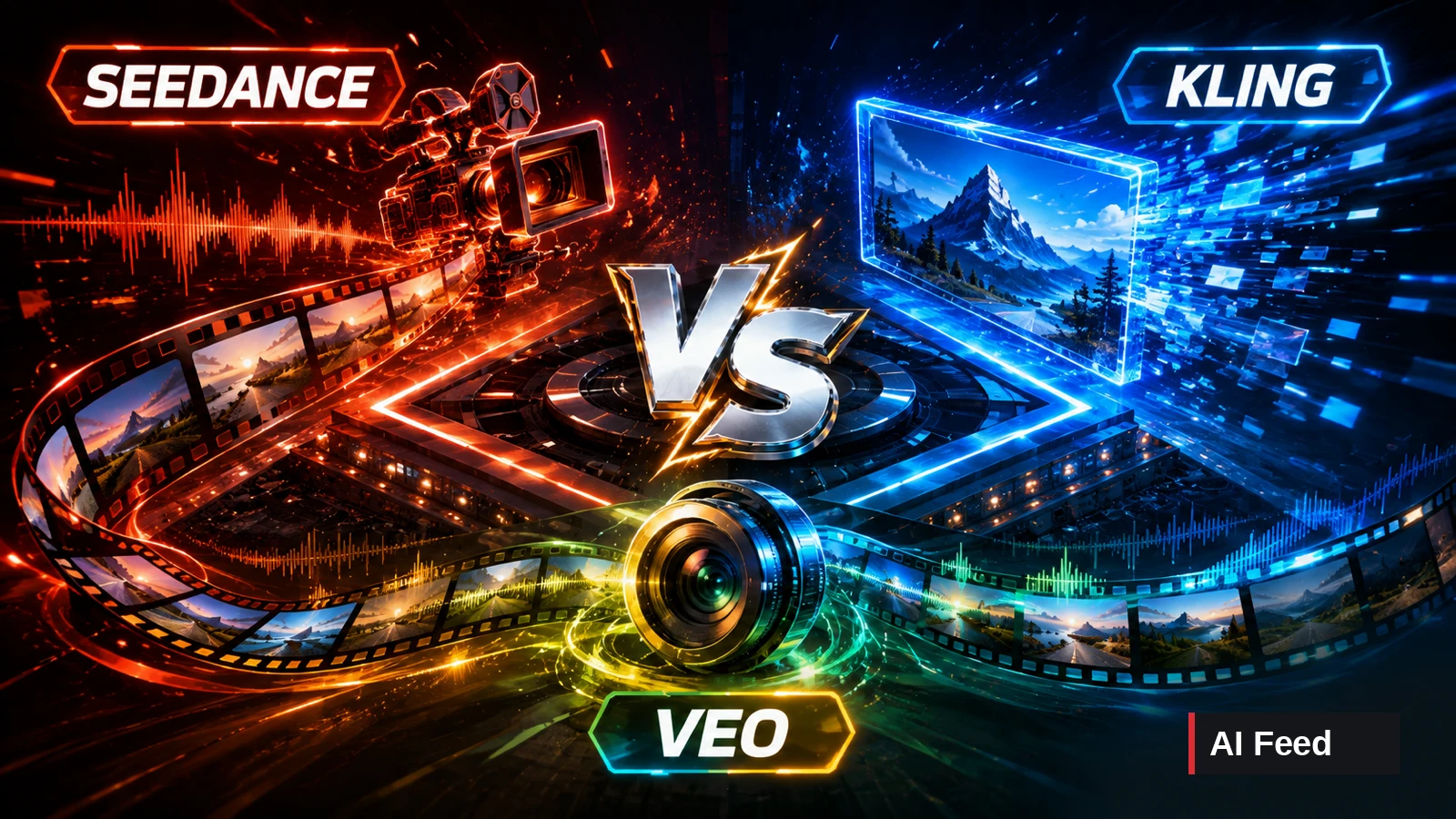
Quick answer: Seedance is the ambitious pick for cinematic, reference-heavy generation; Kling remains a practical image-to-video option; Veo fits teams already working in Google’s ecosystem. The best choice depends on access, price, shot control and whether native audio matters.
Seedance vs Kling vs Veo
| Use case | First pick | Why |
|---|---|---|
| Cinematic scene with multiple references | Seedance | Strong multimodal direction and longer sequences |
| Animate a still image | Kling | Accessible image-to-video workflow and many iterations |
| Google/API workflow | Veo | Convenient Gemini integration |
| Native audio | Seedance or Veo | Designed for combined audiovisual output |
Seedance
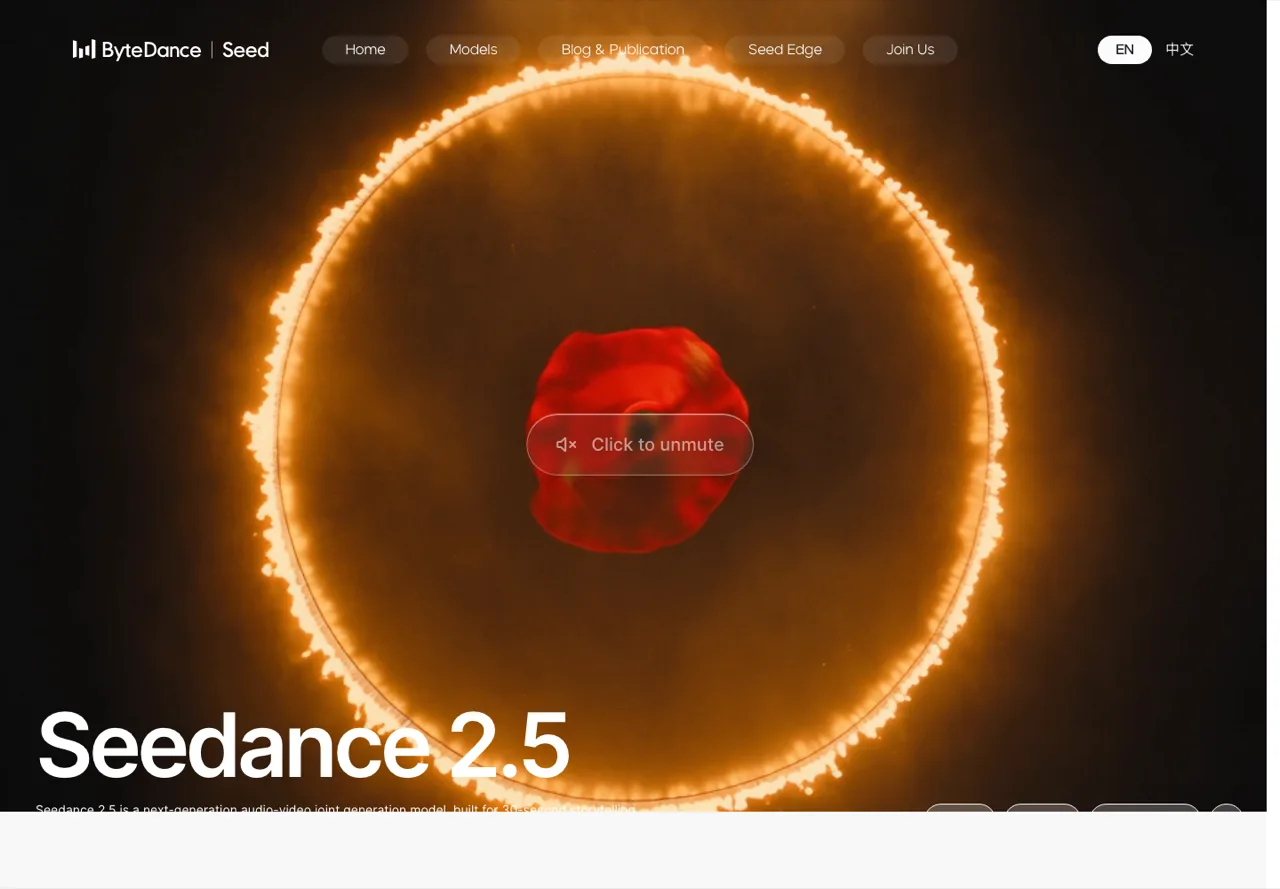
Seedance is aimed at complex scenes built from prompts and several visual references. It is the most interesting choice when continuity, camera direction and audio belong in one generation, but regional access and effective cost need to be checked before committing a production workflow.
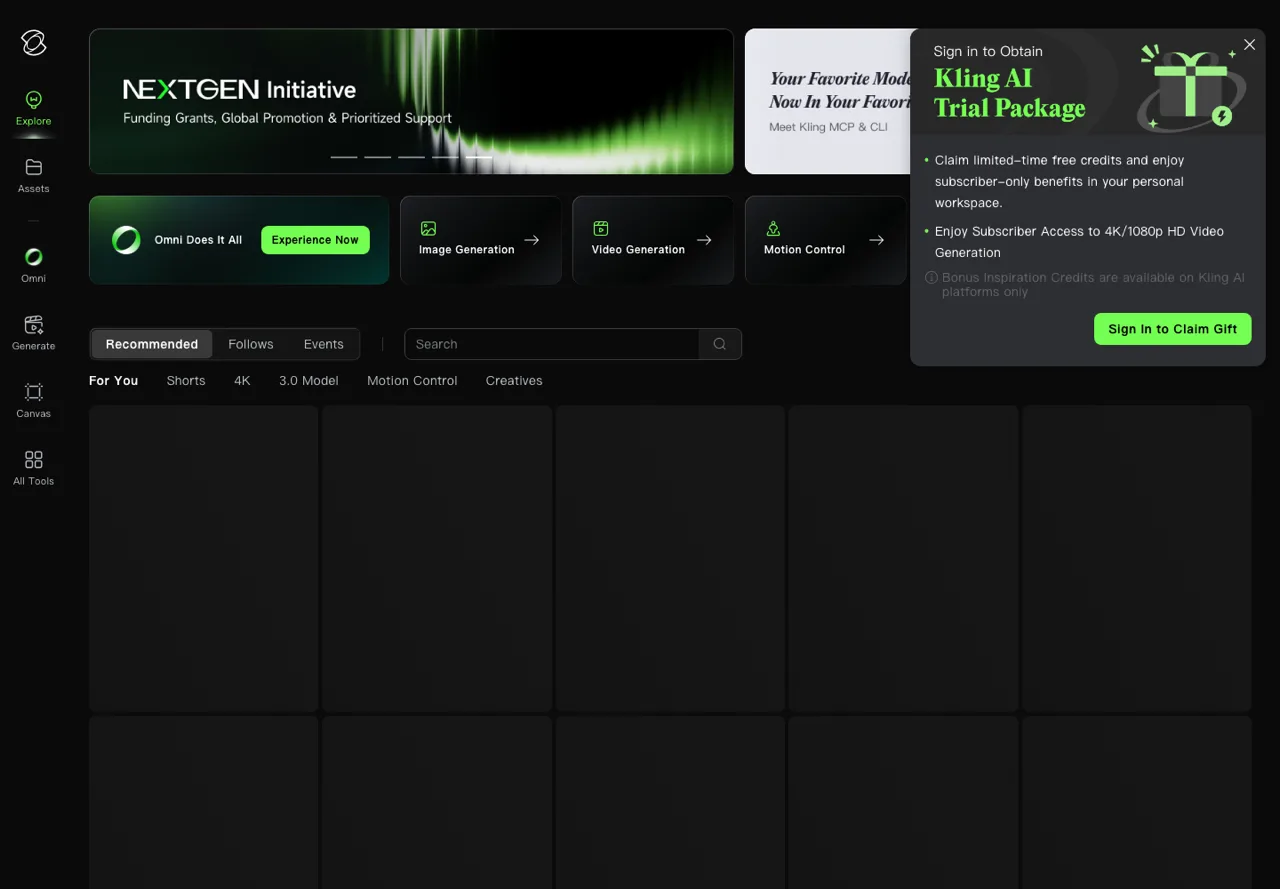
Kling
Kling is a useful workhorse for image-to-video, camera movement and fast visual experiments. Free credits and queues change over time, so compare the real number of acceptable clips per paid credit instead of the headline plan price.
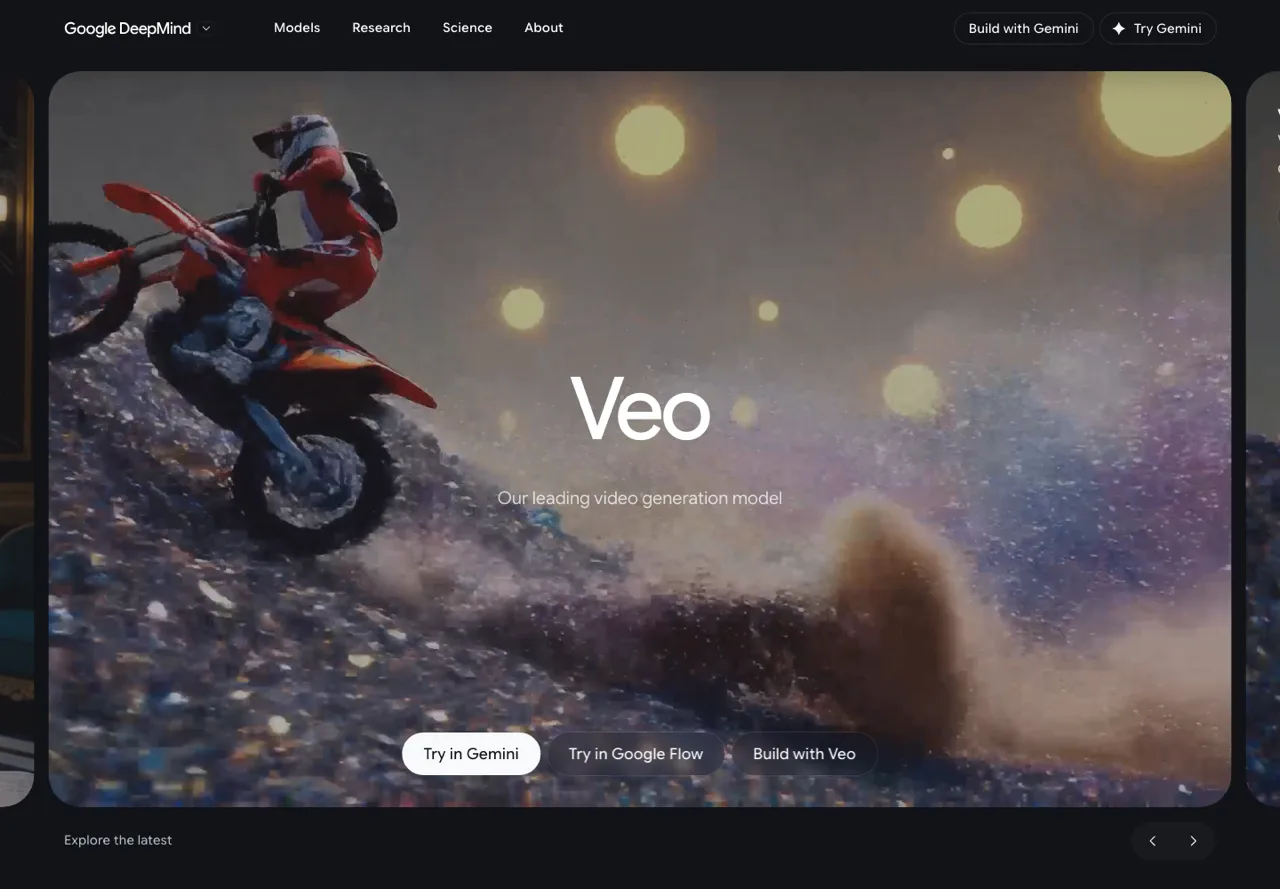
Veo
Veo is the natural option for people using Gemini and Google Cloud. It is especially relevant to automated product workflows, where API availability and predictable integration can matter more than a small quality difference in one showcase clip.
How to test them fairly
- Use the same source image, aspect ratio and shot description.
- Run at least five generations per service.
- Record usable outputs, generation time and total credits spent.
- Check faces, hands, text, object permanence and camera motion.
- Compare commercial-use terms before publishing.
Verdict
Choose Seedance for ambitious, directed audiovisual scenes; Kling for practical image-to-video iteration; and Veo for a Google-centered product pipeline. Check the AI Tools Radar for the current primary and backup picks.
Reviewed September 6, 2026. Access, pricing and free quotas change by region and plan.